Providing the Most Insights

http://docplayer.net/docs-images/59/43719695/images/15-0.png

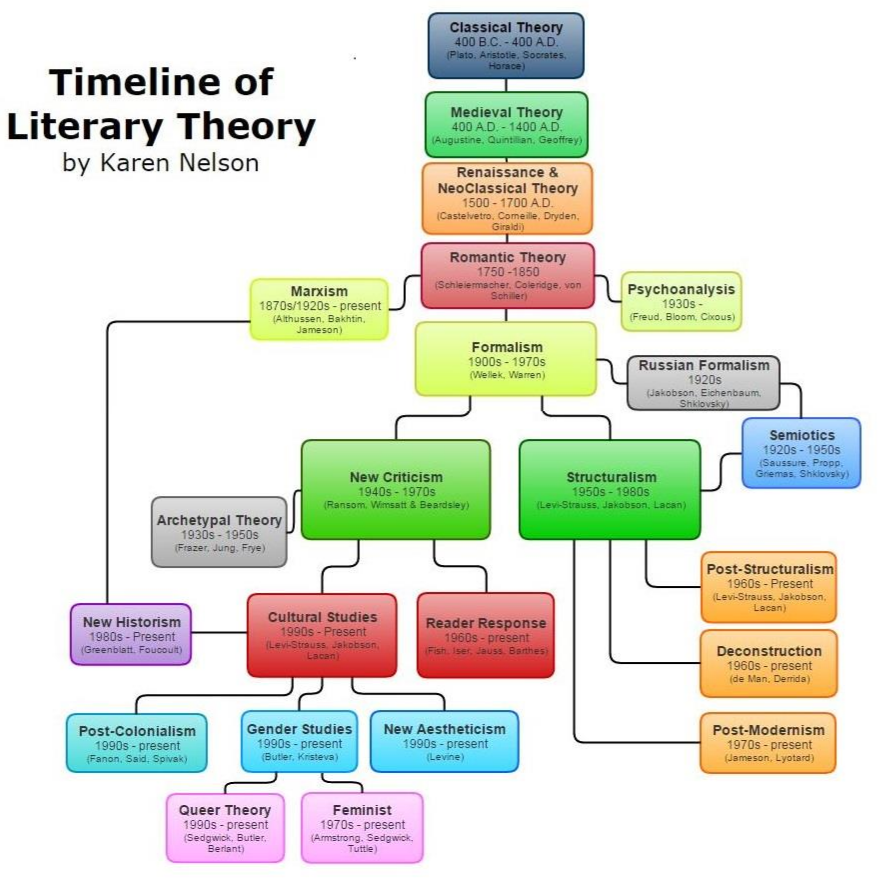
Now that I’ve finished all three sections of my book and analyzed them through 3 different literary lenses, I believe that the most insightful lens was the feminist lens as it revealed a lot about the cruel and unfair society Baby resides in. Throughout the book, we are constantly seeing the differences between men and woman and are being reminded of how women are treated very differently as if they’re on a whole different level of less and insecure. In this novel, the author sets up particular distinctions between male and female in a way that I believe looking through a feminist lens could only reveal.
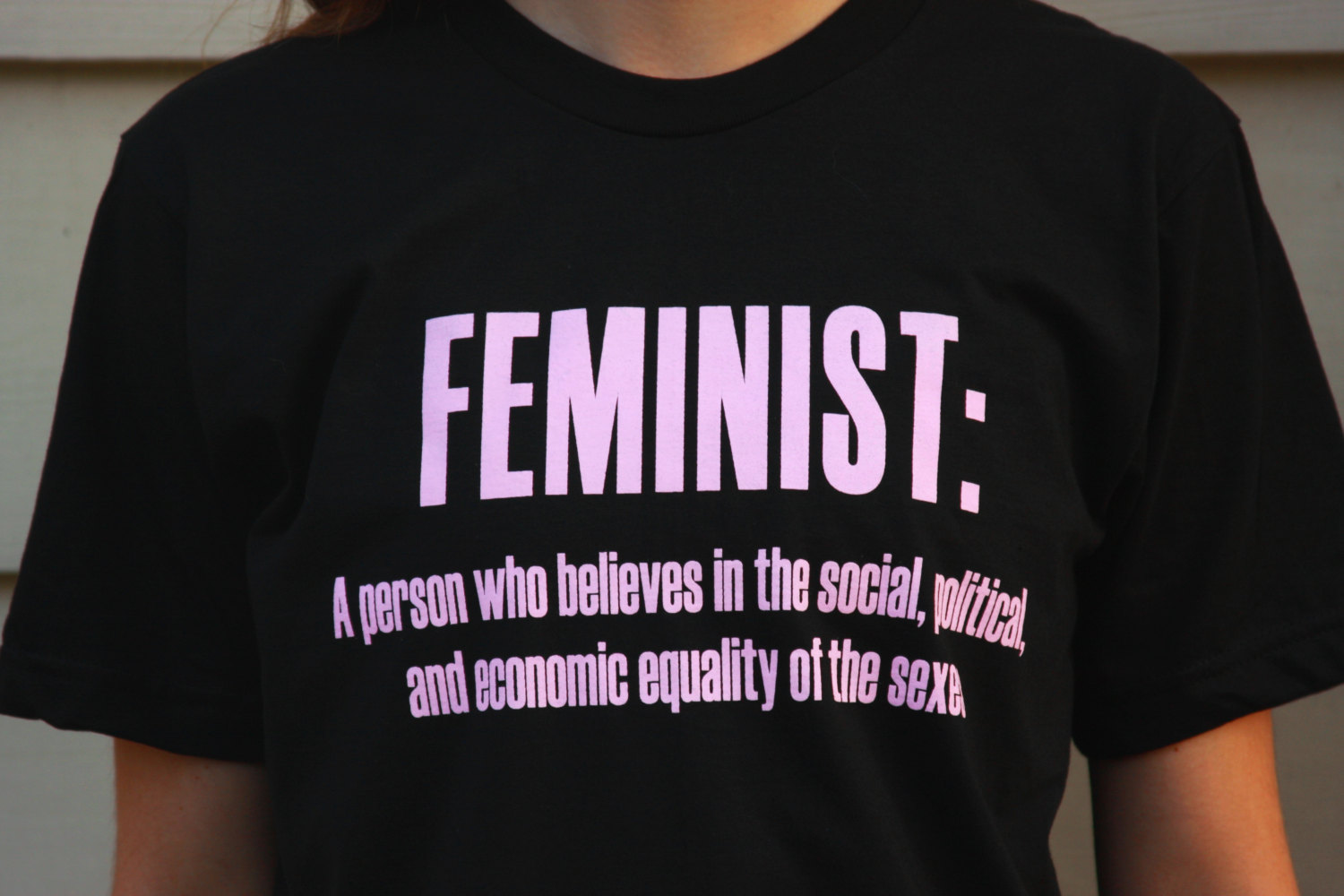
While examining the book through this theory, I feel like I finally understood what everyone means my feminism. By definition, according to Google, Feminism is “the advocacy of women’s rights on the basis of the equality of the sexes.” Although this is straight and to the point, through the novel, the idea of feminism was made clear through descriptions, emotions and scenarios. All that gave me a better overall understanding.

What I found very interesting was how easily the idea of Patriarchy was used. What is that you may ask? Well, basically it’s when Men are way up there, and woman are way down there, in other words,

Women were portrayed to be inferior, weak, naive and easy to take advantage off. All the while,

men were seen to be dominant, strong-minded, independent and people who never seemed to need a woman.
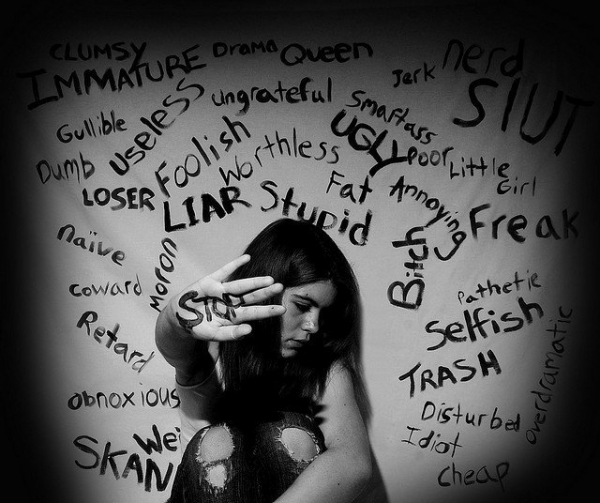
Male dominance is mostly shown through both, Baby’s father and Alphonse. Both these men create specific rules for Baby restricting her in many different ways. If Baby decided not to follow these rules, they would resort to physical or verbal abuse in terms of using sexist terms to teach her a lesson. By doing this, they created an environment where violence is portrayed as the only solution to defiance, which in reality is definitely not true.

Alphonse shows his dominance over Baby when he tells her who she can and can’t have sex with. He makes all these decisions for her without her opinion, yet she is expected to confine to them since defying a strong man was known to be wrong. As Baby mentions, Alphonse tells her, “Get into that Brown car” (218) without any explanation. Only when she gets into the car and the driver starts talking to her, does she realize that she’s in there to have sex with a random man. Alphonse controlled everything Baby did, including her earning and her decisions.

The feminist lens also reveals how men only needed women for their body and their appearance rather than for what they truly are. Alphonse is a clear example of this. Without any regards to Baby’s age, personality, or what she might want, Alphonse took advantage of her by making her have sex with him so fulfill his pleasure. Baby mentions, “There was just a weight. I was making love to the Invisible Man. It felt like something terrible had happened to me… I felt as if my insides were cold” (209-210). Not only did he not ask her if she was comfortable with having sex, but he also paid little attention to the fact that she was a 13 year old virgin who had never had sex before.

These are only a few examples of how the use of Patriarchy occurred throughout the novel. In almost every chapter, I noticed something new and horribly inaccurate about the way women were represented and how they were treated at the hands of men. They were continually seen as losers and people who were only there to satisfy a man’s “needs”.

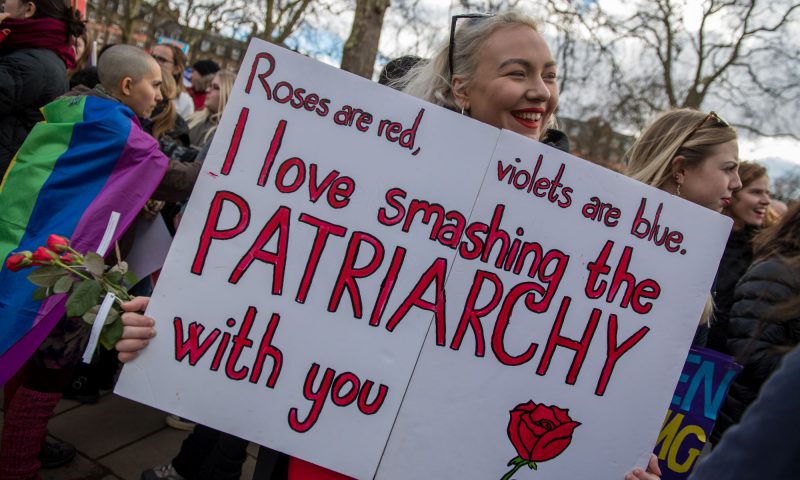
The use of patriarchy is not only limited to this novel, as we also experience this idea throughout our society as well. Since the beginning of time, the idea of men being dominant had been circulating around and was accepted for centuries. However, up until very recently, the world decided to make a change. Why should someone be seen as dominant, when equality is an option? Isn’t equality the fairest aspect out of everything?
https://media.spiked-online.com/website/images/2019/02/07195043/feminism-800×480.jpg

Now that I’m entirely done this novel, I can finally see how hard Baby’s life has been. Especially at such a young age, she was exposed to the dark world of drugs and sex making her life 10x harder then anyone I personally know. For me, this book was an eye opener. At the back of my head I knew that there were kids who were exposed to bad living conditions, however by reading this novel, it felt as if I was Baby’s shadow, experiencing and seeing everything she had.

-Z.K
Not an Object, Not an attention seeker, and Definitely not Inferior

https://feministandgenderlens.files.wordpress.com/2014/03/modern-feminism1.jpg?w=300

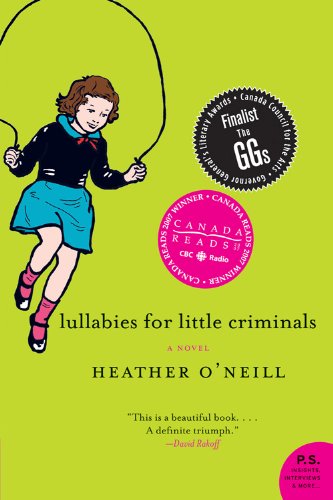
This week I’ve finished reading the novel Lullabies for Little Criminals and wow! Was this book an experience. For those who’ve been following up with my recent posts will know how this novel mainly focuses on drugs, bad parenting, sex and prostitution. All topics that are controversial and not common to young kids. This novel was definitely a chilling experience that taught me many life lessons and made me realize how our society is not at it’s finest.

Looking from a feminist point of view, this novel definitely had some ups and down when it came to gender roles and how they were perceived. The men in this novel were regularly shown to be dominant, and the woman were seen to be inferior.

One thing I found especially interesting was that women weren’t women and men weren’t men.

Confusing right?

What I mean is, women were seen as sexual objects and nothing more, while most men were seen as monsters, abusers, sex-driven maniacs and even manipulators.

When it came to woman, the men in these societies did not see them for who they were, let alone their personalities, but for their image. A girl could look as beautiful as a flower and have the nastiest personally, yet men would still approach her to satisfy their own obsessive pleasure solely based on appearance. This idea is mostly explored through the eyes of the local pimp, Alphonse.

One of the biggest evils in Baby’s lives was, without a doubt, Alphonse. He manipulated pretty girls with affection and sexual gifts to use them for his own benefit. Unfortunately, Baby walks right into his trap and begins to look for his attention, eventually getting swayed by his gifts and sweet commentary.

Alphonse is literally THE perfect example of how men saw women as nothing more than sexual objects, as he begins to show interest in Baby only after she dresses more daringly. When Baby first saw Alphonse, she mentioned, “Although Alphonse was terribly interested in women, he never seemed to notice me. But that’s because I wasn’t really a woman” (O’Neill, 149). By saying this, we see how Alphonse had little to no interest in Baby as she wasn’t “really a woman” implementing that she didn’t have the looks or features of a typical female.

Yet, when Baby started wearing more exposing and “foxier” cloths like Zoe and some of the other prostitutes, Alphonse interest developed faster than a cheetahs run.  Suddenly he had his eyes on her, and even went as far as calling her a “hot tamale” (155) and sending her things he thought would look good on her.

Another example of how men saw women as sexual objects were with the idea of prostitutes. When Alphonse forced Baby into prostitution, he would make her sit outside on a bench looking all pretty and dolled up, waiting for men to have a look at her and decide if they wanted to have sex. Alphonse put her on display as if she was a trophy, not in a proud way, but in a bragging way. They would wait all day for “offers” to come in, and once they did, he would make her have sex, no questions asked.

He never had her best interests in mind; he only thought of her as an outlet for making money. He convinced her of becoming a prostitute and encouraged her to sell her body. To him, she was an object that could be tucked away on a far shelf and pulled out whenever he needed. And if that object ever faltered or got stuck on the shelf, he would abuse it out with anger until he got what he wanted.

Male dominance is another aspect we see through Alphonse and even Baby’s own father, Jules. When Baby decides to go back to school, she meets an odd boy named Xavier. Unlike most men in society, he was portrayed as kind, innocent and someone who didn’t want to take advantage of her. Eventually, they started dating and decided to have sex. The only place Baby could think of was Alphonse’s apartment as she expected he wouldn’t be there.

https://leappakistan.com/wp-content/uploads/2017/03/domestic-violence.jpg

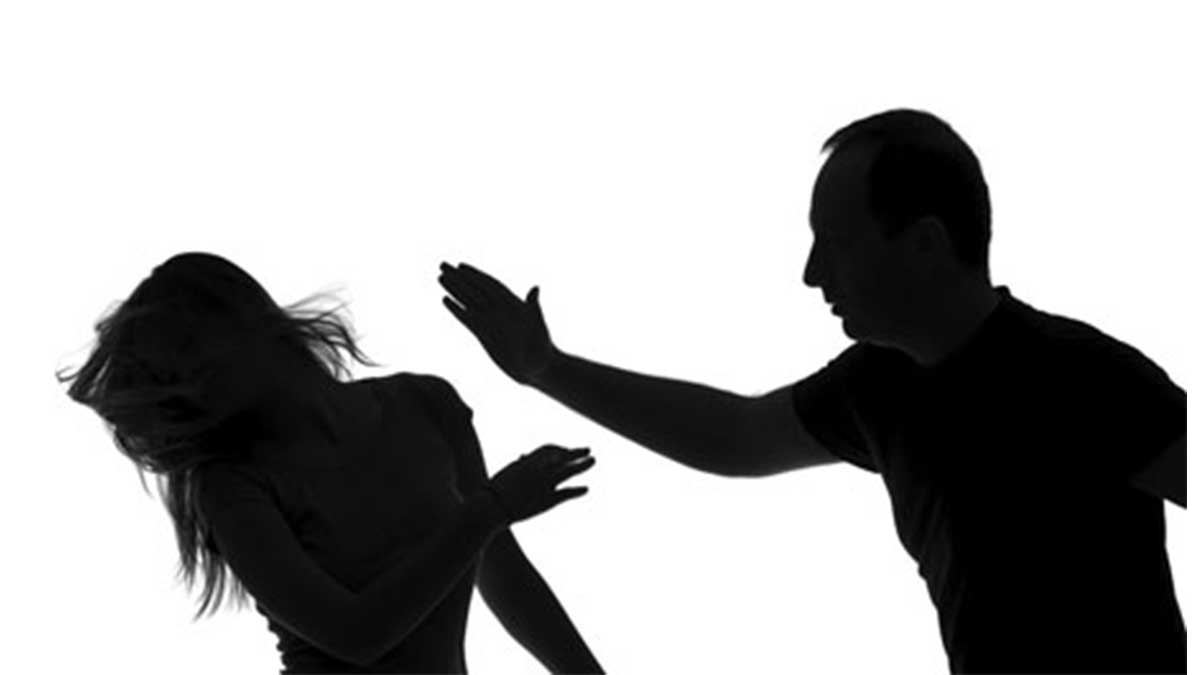
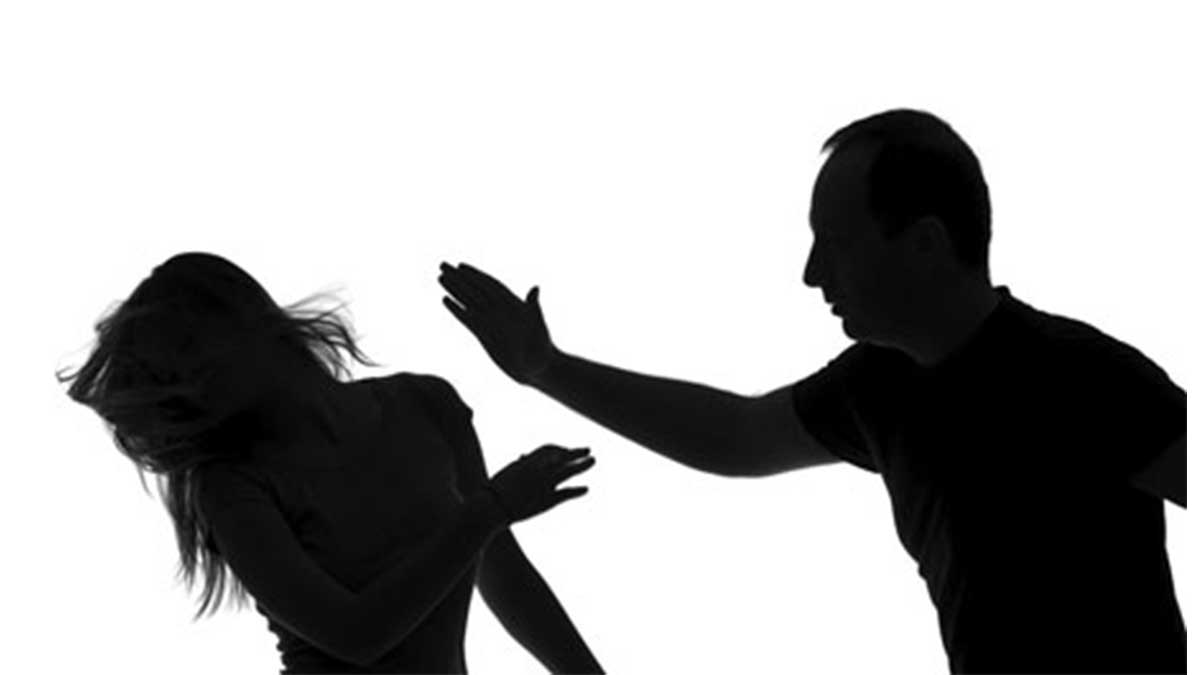
However, as I suspected, Alphonse walked in and saw what was happening. He took hold of  Xavier and beat him up. I was taken by surprise when Baby yelled: “Let him go!” (306). She took control of the situation and mustered the courage to go against his wishes. She used her power as a woman and used her voice to say what was only right. Yet for her act of courage, she was rewarded with a slap. After finally doing what needed to be done, she didn’t get a courageous pat on the back but instead got a red mark on her face. “I didn’t feel any pain when Alphonse slapped me on both sides of my face. I could feel both my cheeks getting all warm and tingly” (O’Neill 306). All because she finally did something for herself and on her own will. No one should ever lay a hand on someone else, but because men were accustomed to being better, this type of behaviour was allowed and acceptable. No questions asked. After all, he was the mighty man, and she was a lifeless stripper.

Jules, on the other hand, also shows dominance over Baby as he decides what she should or shouldn’t do. He continuously restricts her in all sorts of ways. As Baby mentioned, “I couldn’t dress like that or Jules would throw a fit. He didn’t even let me braid my hair. He thought that Bobby pins were invented solely for attracting black men” (150). Not only does this show that Baby couldn’t do some of the simplest things, but it also shows how men could restrict women in what they wear and who they can and can’t hang out with.

Predictions, Thoughts and More!

“Childhood is the most valuable thing that’s taken away from you in life, if you think about it.” – Heather O’Neill

https://www.familyworksnorthern.org.nz/wp-content/uploads/GAenewsoct10-campaign-banner.jpg

Hey guys!

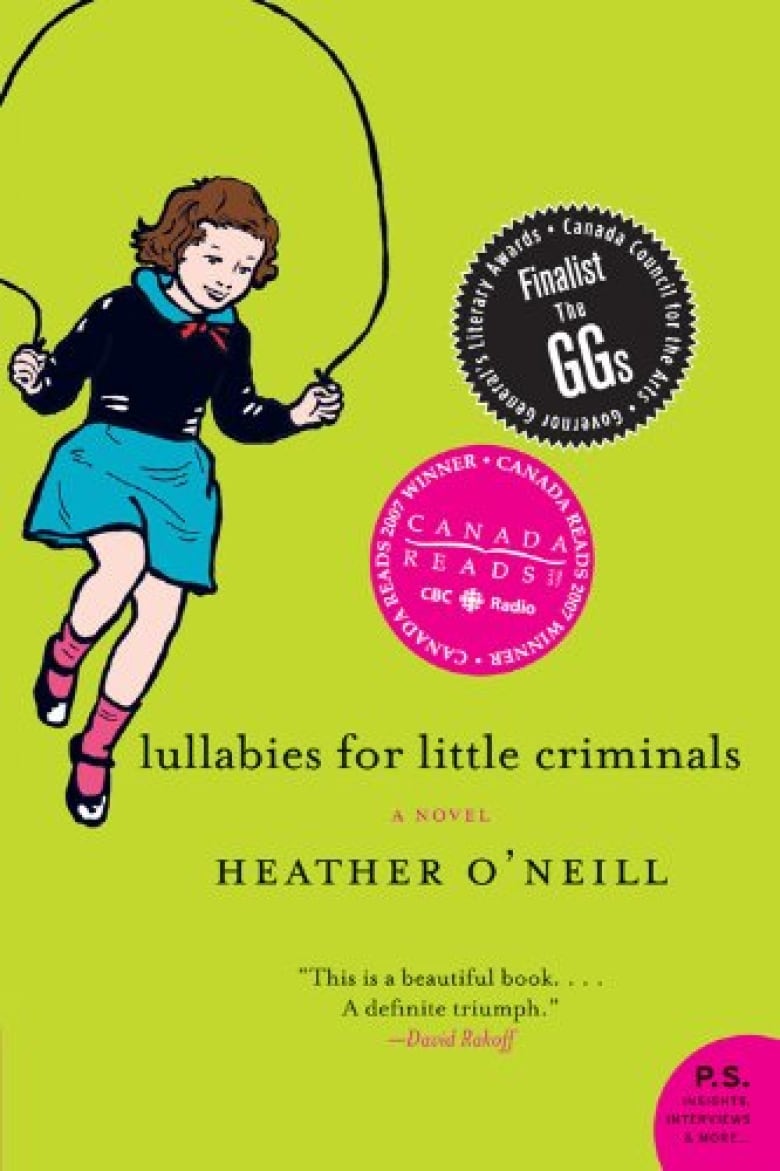
It’s been a while since I’ve last posted, but I’m glad to announce that I’ll be writing a lot more in the next few weeks. While I’ve been away, I started reading the novel Lullabies for Little Criminals by the wonderful author Heather O’Neill. As you can probably guess, I’ll be informing you about my thoughts on what I’ve read so far and some interesting/odd parts that I’ve encountered.  

I decided to split my reading into three large chunks, and for each, I’ll be analyzing the novel under different literary theories to bring light to some interesting and mysterious things.

While growing up, I was continually being told that drugs were wrong, that smoking made your lungs die, that swearing was rude and that sex is something you should always stay far away from. I was told this at a very young age, by Health teachers, my parents, my aunts and any other adult I was close with, so naturally, as I was growing up, these topics were something I didn’t pay much attention to. Just like how I was taught this at a young age, I assumed every child would be taught the same.

Yet, in Lullabies for Little Criminals the children who are only 12 years old, are out buying magic mushrooms and doing Heroine, having sex, and are using curse words every few seconds. To me, this is very much not normal, in fact it’s kind of scary, yet to Baby and those living in Montreal, this is as natural as the rain that drizzles down.

Lullabies for Little Criminals follows the main character, Baby and her father Jules, through their journey of life. Motherless, Baby lives with her 27-year-old father Jules, who is continuously having to move from place to place in areas that are not so child-friendly. The novel starts with Jules and Baby moving into a new apartment, which we later see is not a permanent home as they continue to move again. Although moving can be hard, Baby never complains about it and is just grateful that she’s with Jules.

When I was around Baby’s age, I had to move schools as my family, and I were moving to another part of the city. It was incredibly hard to leave everything behind and start fresh, yet Baby was completely fine with it. Her reaction to moving takes me by surprise as I firmly remember being that young and upset over leaving my old life and starting a new somewhere else.

I guess not every child thinks alike or faces the same circumstances.

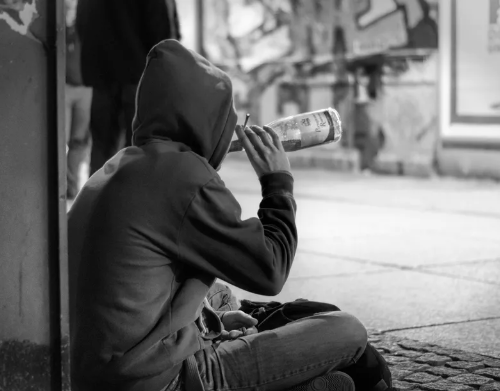
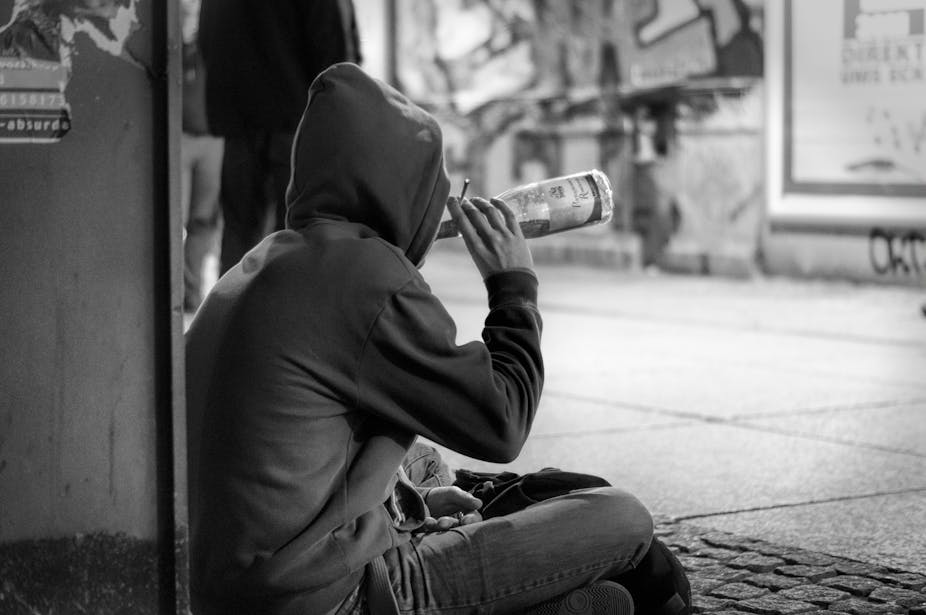
Already by just reading the first few chapters, I can see how Jules isn’t the best person for Baby to be around with. For one, he treats her with no respect and minimal kindness when it comes to him and his drugs. When the book starts, Jules and Baby’s relationship unveils as a sweet relationship between one friend to another. Not father to daughter. Although it was nice to see how they were more open with each other, Jules attitude changed whenever he went after drugs. On his way to buy Heroin one day, he mentions “Baby! Quit following us. Go play with your doll! Get lost, okay?” (O’Neil 11). He was desperate to get his “Chocolate milk” (9), (aka Heroine) and because of that, he spoke very harshly to a 12-year-old girl and left her alone on the streets. He was blinded by the thought of his happiness that he forget about her safety. I feel like this will cause long term problems in both their lives as having drug-addicted parents can have a significant toll on one’s life. I predict that Baby will start looking elsewhere for the attention that her father doesn’t give her, which will only lead her into doing more drug-related things and place her in bad situations.

https://ichef.bbci.co.uk/news/660/cpsprodpb/7F3C/production/_107027523_streetnew.jpg

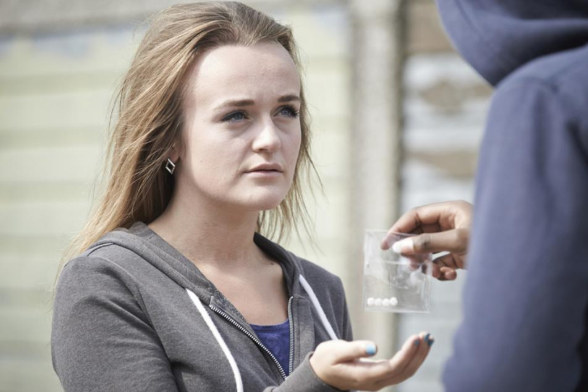
Through my research for my previous essay and the knowledge I’ve acquired in Biology and human studies, I’ve learned that for most of the time, having drug-addicted parents can have a significant effect on their children. It can influence them from a young age and put them at higher risks of facing psychological problems and substance addiction in their future. As I was reading the part where Baby wanted to try drugs for the sake of getting attention from her father, I felt conflicted as I firmly believe the mushrooms won’t be the end of it.

As the story unveils, Baby and Jules’ relationship falters continuously and is no longer what it used to be. After getting arrested and sent to rehab, he actually stopped doing drugs and was on the right path. However Baby wasn’t happy about that because, after his release he seemed different.  “‘Don’t lie to me. You’re sitting there stoned you’re eyes are popping out of your fucking head…I just fucking can’t stand it. You’ve got those fucking junky ways’ “(92). He began to start accusing her of being on drugs and talked to her through a tone of disgust and hate. He would never leave her alone and constantly swear at her for no apparent reason.

Seeing Jules act out like this randomly makes me wonder what triggers it? Whenever I think of his past, I get sent through a spiral of puzzlement. Why is he living like this? Why does Baby have to live like this? Why does he regularly talk bad about his birthplace? Was he a high school dropout? Is that why he doesn’t have a job? Or maybe he’s too focused on drugs that no one will hire him? Or perhaps he’s not interested in earning money from himself and Baby?

Whenever Baby speaks, or someone mentions her, I think of her as a tall 17-year-old girl with blonde/ brown hair and big brown eyes. We were never provided with much information on her appearance. However, I can’t help but see her as a 17-year-old girl when she’s actually 12. I think that’s partly because with all the things she knows and has done, I feel weird imaging her as 12. It seems impossible for my brain to comprehend that she’s still a child, who is unfairly and dangerously exposed to a dark world.

This has been one hell of a start, and I’m very much interested in what happens next. Speaking from a reader’s point of view, I feel like the author intended this book for any adolescents as a reminder that stuff like this is real. Falling into drugs, prostitution and being influenced to do horrible thing is possible, it’s not something your parents or teachers are making up. Personally, reading about this stuff made me sympathize with Baby, she’s still so young, yet is caught up with something no kid should have to go through.

Keep checking my blog for more updates on my reading!

-Z.k

Sources:

O’Neill, Heather. Lullabies for Little Criminals.. New York: Harper Perennial, 2006.